[Standard] Grixis Elementals - Winning the European Magic Cup!
By Filipe Sousa | March 4, 2026
Standard right now is full of explosive, combo-like decks. There’s a lot of power on the table, and it feels like every deck is trying to go big. But if you’re looking for something that can keep up and maybe even surprise some people, Grixis Elementals might be just what you need.

Personal Journey: From Pro Tour to EMC Victory
When I first brewed Grixis Elementals for Pro Tour Lorwyn Eclipsed, I had no idea it would carry me this far. My team, especially Raphael Levy and Julian Riedener, helped refine it into a true contender. I went 7-3 at the PT, while the deck achieved a crazy 71% win rate when accounting for all players.
After the Pro Tour, Julien and I kept fine-tuning the deck, and I later went 6-0-2 at an RCQ. At the European Magic Cup, we made it all the way to the top 8, and I clinched the win for my team in the final round against Mick from Denmark, finishing with a total Standard score of 7-1-1. It was an unforgettable experience, especially knowing I helped bring the trophy home for my host country, Switzerland.

The EMC Winning Decklist: Breaking It Down
Grixis Dogo by Filipe Sousa
Standard • 
Feb. 21, 2026 • European Magic Cup
Creatures (27) |
||
| 4 | Ashling, Rekindled // Ashling, Rimebound | |
| 3 | Superior Spider-Man | |
| 1 | Harvester of Misery | |
| 4 | Overlord of the Balemurk | |
| 4 | Vibrance | |
| 4 | Wistfulness | |
| 4 | Deceit | |
| 3 | Sunderflock | |
Instants (8) |
||
| 4 | Not Dead After All | |
| 4 | Requiting Hex | |
Lands (25) |
||
| 2 | Blazemire Verge | |
| 4 | Cavern of Souls | |
| 3 | Eclipsed Realms | |
| 1 | Multiversal Passage | |
| 1 | Restless Reef | |
| 4 | Secluded Courtyard | |
| 4 | Starting Town | |
| 1 | Steam Vents | |
| 1 | Swamp | |
| 4 | Watery Grave | |
Sideboard (15) |
||
| 2 | Duress | |
| 2 | Intimidation Tactics | |
| 3 | Soul-Guide Lantern | |
| 2 | Spider-Sense | |
| 2 | Clarion Conqueror | |
| 2 | Beza, the Bounding Spring | |
| 2 | Quantum Riddler | |
Total cards: 75 | ||
Key Cards & Interactions
Ashling, Rekindled // Ashling, Rimebound
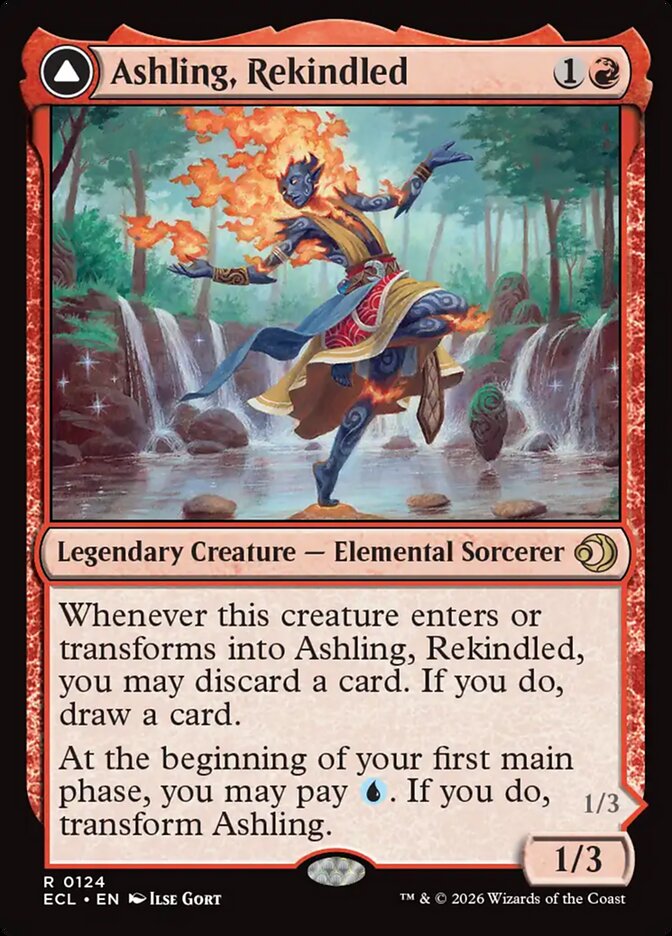
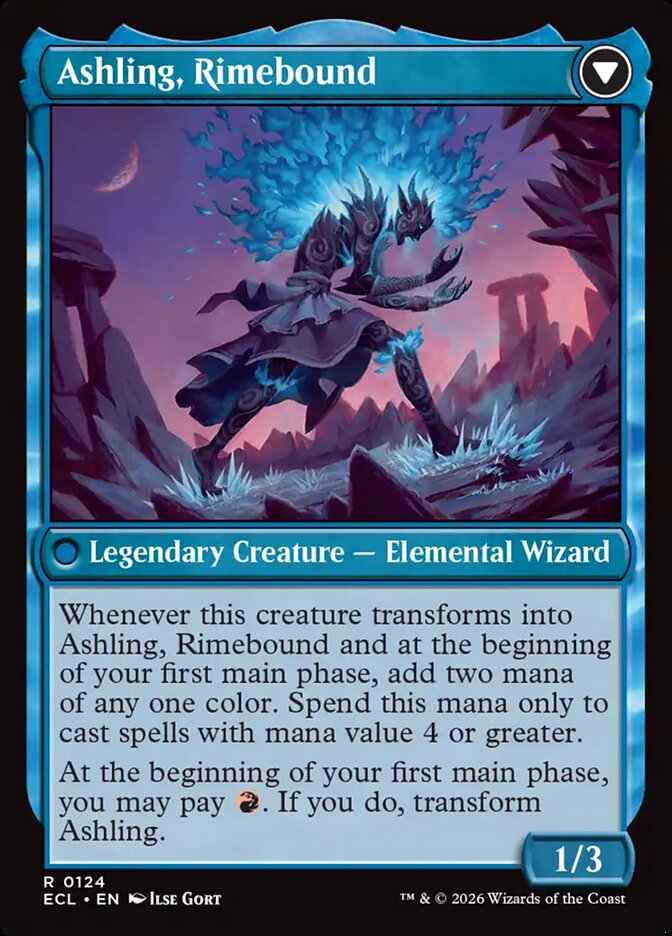
Ashling, Rekindled // Ashling, Rimebound is the engine of the deck. Getting it out early and flipping it is what makes everything work. If you manage to untap and flip Ashling, Rekindled // Ashling, Rimebound , you will most likely win the game. The boost in mana and the fixing help you cast the Elementals for full value, which is really hard to match. Sure, Ashling, Rekindled // Ashling, Rimebound doesn’t win the game on its own, but it lets the rest of your deck do its thing, and that’s what makes it so important.
Not Dead After All
Not Dead After All is the second engine of the deck, allowing you to apply early pressure and interaction, which is usually enough to overpower most decks. It can also be quite strong later in the game, making your opponents think twice before blocking a Superior Spider-Man or trying to kill an Overlord of the Balemurk .
Sunderflock
Sunderflock is your game-breaker. Once you’ve got an Elemental in play, you can cast Sunderflock and wipe the board. It’s one of the best ways to stop aggressive decks and clear the way for your big attacks. Without Sunderflock , things can get out of hand pretty quickly. It buys you the time to close out the game, and that’s why it’s a must-have.
Matchups & Sideboarding Guide
This is the updated list I’ll be playing at the Regional Championship in Turin this weekend with an up to date sideboard guide.
Grixis Elementals by Filipe Sousa
Standard •
March 7, 2026 • Ultimate Guard European Magic Series - Regional Championship - Turin 2026
Creatures (27) |
||
| 4 | Ashling, Rekindled // Ashling, Rimebound | |
| 3 | Superior Spider-Man | |
| 1 | Harvester of Misery | |
| 4 | Overlord of the Balemurk | |
| 4 | Vibrance | |
| 4 | Wistfulness | |
| 4 | Deceit | |
| 3 | Sunderflock | |
Instants (8) |
||
| 4 | Not Dead After All | |
| 4 | Requiting Hex | |
Lands (25) |
||
| 2 | Blazemire Verge | |
| 1 | Blood Crypt | |
| 4 | Cavern of Souls | |
| 2 | Eclipsed Realms | |
| 1 | Multiversal Passage | |
| 1 | Restless Reef | |
| 4 | Secluded Courtyard | |
| 4 | Starting Town | |
| 1 | Steam Vents | |
| 1 | Swamp | |
| 4 | Watery Grave | |
Sideboard (15) |
||
| 1 | Duress | |
| 2 | Intimidation Tactics | |
| 2 | Soul-Guide Lantern | |
| 2 | Bitter Triumph | |
| 1 | Spider-Sense | |
| 2 | Beza, the Bounding Spring | |
| 1 | Harvester of Misery | |
| 2 | Quantum Riddler | |
| 1 | Ygra, Eater of All | |
| 1 | Sunderflock | |
Total cards: 75 | ||
Lessons
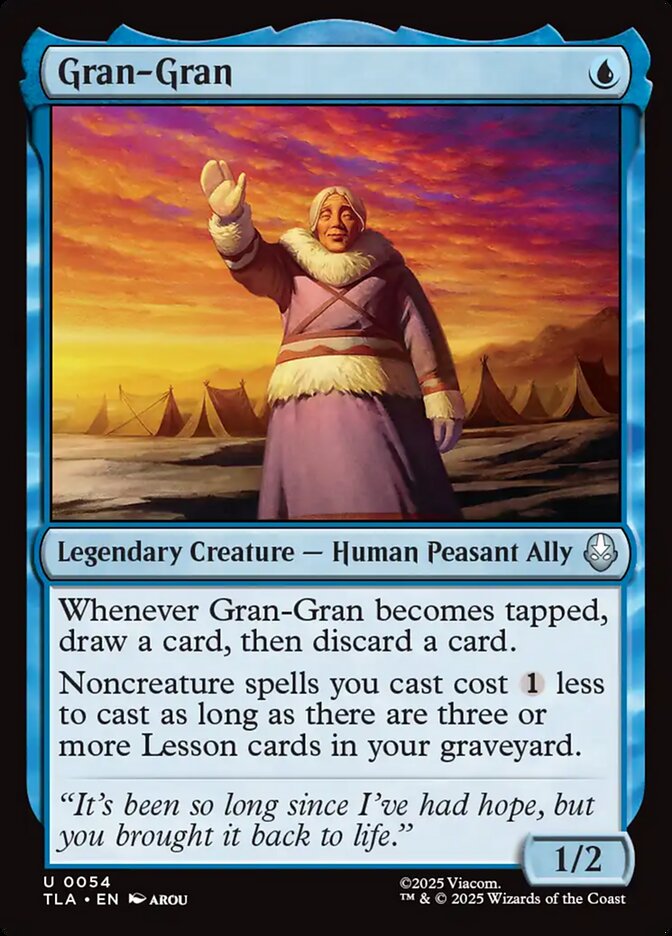
Lessons is generally a smooth matchup, especially when you leverage Deceit and Wistfulness properly. Deceit disrupts their hand and slows their setup, while Wistfulness answers Artist's Talent and Monument to Endurance . The key is to break up their engine and then apply steady pressure. Play patiently and focus on value.
Sideboard Plan
Out:
3x Sunderflock
1x Harvester of Misery
2x Requiting Hex
In:
1x Duress
2x Soul-Guide Lantern
2x Quantum Riddler
1x Ygra, Eater of All
We trim removal and lean into disruption. Resolving Soul-Guide Lantern makes it extremely difficult for them to remove your threats while you continue applying pressure.
Simic Cub
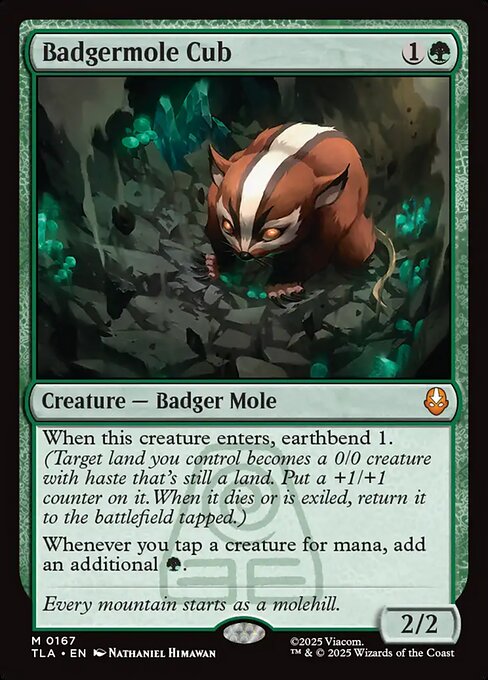
This matchup revolves around early interaction. Requiting Hex answers starts involving Llanowar Elves and Badgermole Cub , while Sunderflock punishes overextension. If you stabilize the first three turns, the matchup quickly swings in your favor.
Sideboard Plan
Out:
4x Overlord of the Balemurk
2x Wistfulness
In:
3x Intimidation Tactics
2x Bitter Triumph
1x Sunderflock
Cut slower threats and maximize cheap interaction. Bitter Triumph keeps their pressure manageable, and once you resolve Sunderflock , the game usually ends shortly after.
Green Landfall
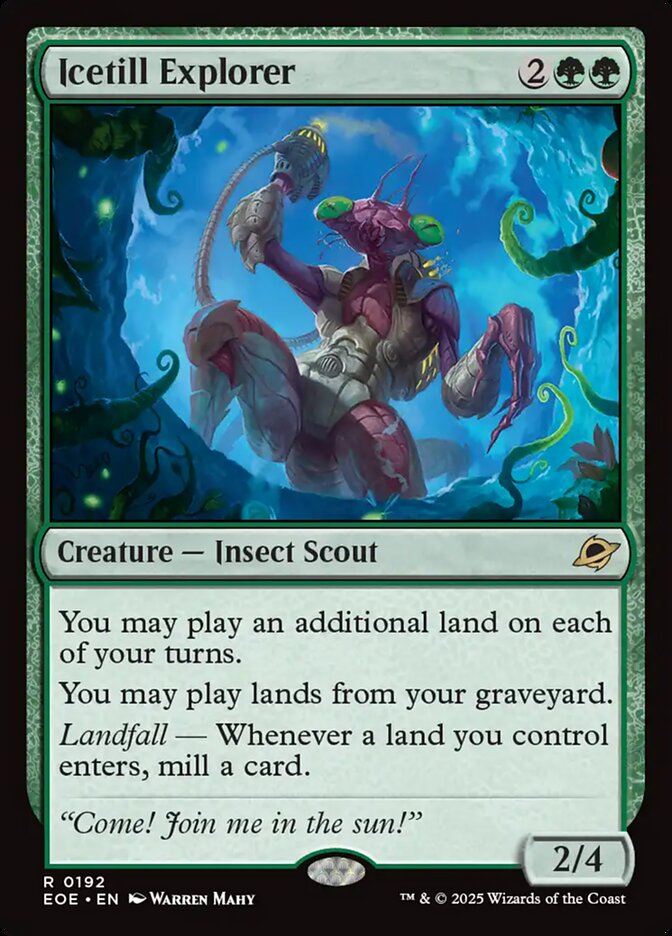
Green Landfall is largely a race. Their strongest turns involve Mightform Harmonizer combined with large threats enabled by ramp creatures like Icetill Explorer . You must pressure early while disrupting their setup before they snowball.
Sideboard Plan
Out:
4x Overlord of the Balemurk
2x Vibrance
In:
2x Bitter Triumph
1x Sunderflock
3x Intimidation Tactics
We lower the curve and increase efficient answers. Bitter Triumph cleanly answers their payoff creatures, while Sunderflock gives you a reset if they overcommit. Stay aggressive and deny their explosive turns.
Izzet Prowess
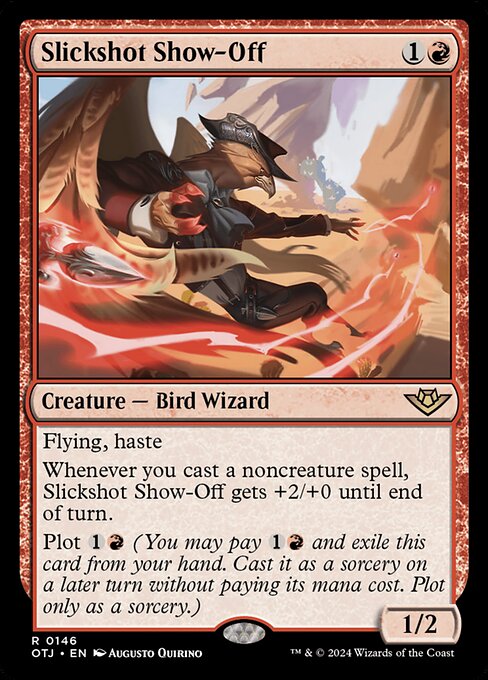
Everything revolves around Slickshot Show-Off . If you contain it early using discard or Requiting Hex , you are favored. Much like Simic Cub, the goal is to stabilize early and then take over the game. Long games strongly favor Grixis Elementals.
Sideboard Plan
Out:
4x Overlord of the Balemurk
2x Wistfulness
In:
2x Bitter Triumph
2x Beza, the Bounding Spring
1x Sunderflock
1x Ygra, Eater of All
We replace slower threats with stabilization tools. Bitter Triumph answers Slickshot Show-Off , while Beza, the Bounding Spring often stabilizes the board on its own. Survive the early turns and the matchup becomes favorable.
Mulligan Strategy
Mulliganing with Grixis Elementals can be tricky, but knowing what you're looking for makes all the difference. The key is to balance early interaction, Ashling, Rekindled // Ashling, Rimebound , and your Elementals. Here’s how I think about it:
Snap Keep
If you have Requiting Hex , Ashling, Rekindled // Ashling, Rimebound , a Vibrance or Deceit , plus Not Dead After All , you’re golden. This kind of hand has interaction, a fast Ashling, Rekindled // Ashling, Rimebound , and a scam play to follow up.
Trap Hand
A hand with Vibrance or Deceit , Ashling, Rekindled // Ashling, Rimebound , and multiple Cavern of Souls or other lands that don’t help you flip Ashling, Rekindled // Ashling, Rimebound is a trap. You can’t afford to get stuck waiting for the right mana, especially against faster decks. It might look like you have some good cards, but without that blue mana to flip Ashling, Rekindled // Ashling, Rimebound , you’ll be too slow.
Borderline Keep (for slower matchups)
If you have Vibrance or Deceit , Ashling, Rekindled // Ashling, Rimebound , and a mix of lands, but no blue mana, it’s borderline. Against slower decks, this might still be fine, but you’re risking being too slow to get your Ashling, Rekindled // Ashling, Rimebound online. It’s a gamble, and it depends on how much you trust your matchup.
The biggest takeaway: always look for a hand that gets you to Ashling, Rekindled // Ashling, Rimebound and allows you to flip it on turn 2 or an early scam. That’s how you win games. If you’re not sure about the hand, it’s usually best to mulligan and keep looking for the right mix.
Cool Tricks
Here are a few cool tricks I’ve picked up that you’ll want to keep in mind when you’re playing:
Trick 1: Don’t Always Flip Ashling, Rekindled // Ashling, Rimebound
Sometimes, it’s better not to flip Ashling, Rekindled // Ashling, Rimebound . For example, if you have Watery Grave and Cavern of Souls in play, and Ashling, Rekindled // Ashling, Rimebound on the battlefield, assuming you do not have a black source in hand, flipping it would leave you without the right mana to play Not Dead After All . In this case, just play your Elemental land from hand, evoke an Elemental, and scam it into play instead. This can give you a much stronger board position early on.
Trick 2: Requiting Hex + Evoked Elementals = Free Life
If you have Requiting Hex and an evoked Elemental, you can blight 1 on the Elemental as it’s about to sacrifice. Since the Requiting Hex resolves when the sacrifice trigger is on the stack, you’ll get to destroy a creature and gain 2 life, all in one go. This is a sneaky way to get ahead in life while removing something important from your opponent's side.
Trick 3: Tishana's Tidebinder Trick
If your opponent plays Tishana's Tidebinder to counter your Evoked Elemental ability, don’t worry. You can still scam the creature by casting Not Dead After All right after the Tishana's Tidebinder ETB resolves. This lets you cheat in the creature anyway, even after they stop the ability and remove its effects.
Conclusion
Grixis Elementals is a deck that punches way above its weight. It’s not the most obvious choice, but once you get the hang of it, it’s a powerhouse. It’s consistent, flexible, and can take on just about anything in the current Standard meta. A lot of people overlook it because of the mana base or its off-the-beaten-path build, but trust me, it works, and it works really well.
It’s not the flashiest deck, and it's definitely not the obvious choice, but that’s what makes it so dangerous. It's a deck that flies under the radar, but it has the tools to outvalue, outplay, and outlast just about any opponent. And that’s why I’m so confident about going into RC Turin with it. I know the deck is ready for anything, and it’s going to catch a lot of players off guard.
So, if you’re looking for something fresh, powerful, and a bit underappreciated, give Grixis Elementals a try. It might just surprise you.
About the author
Filipe Sousa

- Age
- 27
- Hometown
- Zug
- Team
- Birdwatch

| Switzerland | Europe | Points |
|---|---|---|
| 7th | 17th | 1077 |
Modern is where I’m most at home.
Yawgmoth enthusiast, creature combo loyalist, and frequent opponent of whatever the “correct metagame choice” is supposed to be.
Especially proud of my RC Prague run, where I registered Yawgmoth while others were busy respecting the metagame, even if it ended one match short of the PT.
Favorite card: Deathrite Shaman.

Want to publish articles?
Share stories about your journey in Magic, your favorite decks, and more!
Apply now!